
Wisconsin communities have access to several unique funding opportunities, designed to support critical infrastructure upgrades and drive community revitalization.
From rebuilding agricultural and forestry routes through the Agricultural Roads Improvement Program (ARIP), to repairing small bridges and culverts via the Local Small Structure Improvement Program (LSSIP) or enhancing public gathering areas with WEDC’s Vibrant Spaces grants, each program offers meaningful financial support for high‑impact local projects. With substantial funding pools and clear eligibility pathways, now is an ideal time for municipalities to evaluate potential projects, understand where they may qualify, and position themselves to take advantage of these opportunities.
Agricultural Roads Improvement Program (ARIP)
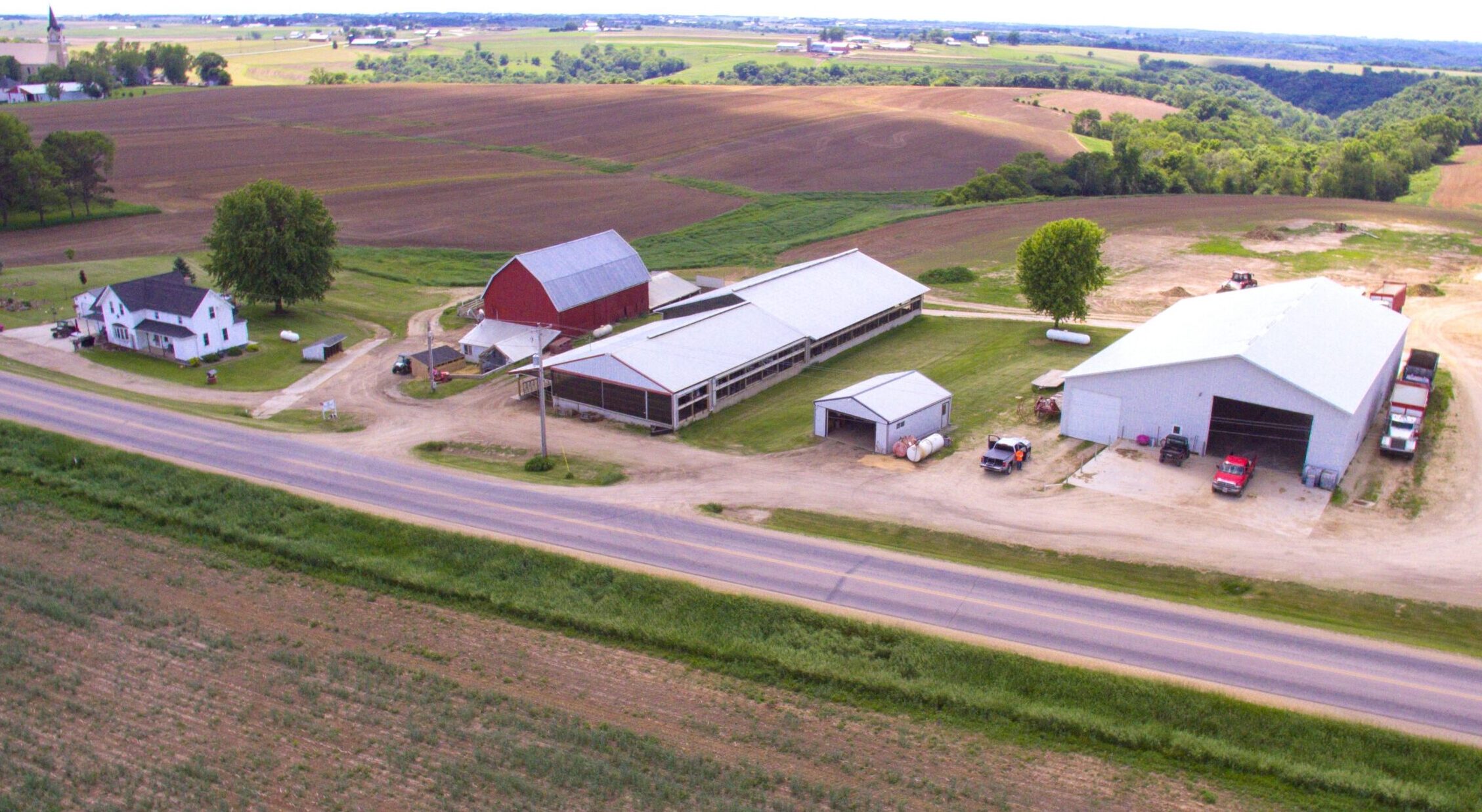
ARIP is the main funding source for rebuilding local roads that agriculture and forestry operations rely on — the routes used to move equipment, haul timber, transport farm goods, and support daily industry activities. The program covers up to 90% of reconstruction costs and brings these roads up to a standard where they won’t need weight restrictions again for at least 10 years. To qualify, the road must be a local road or minor collector and must have been weight‑restricted for at least one month in the past year.
The good news: there’s still time this year to put spring breakup weight restrictions in place, and those should meet the eligibility requirement for the upcoming application round (depending on application timeline).
Awards from the current 2025 submissions are expected in late March, and the next application window should open soon after, with a likely June deadline. This cycle has $70M available. The program is expected to continue but does depend on the biennial state budget.
Local Small Structure Improvement Program (LSSIP)
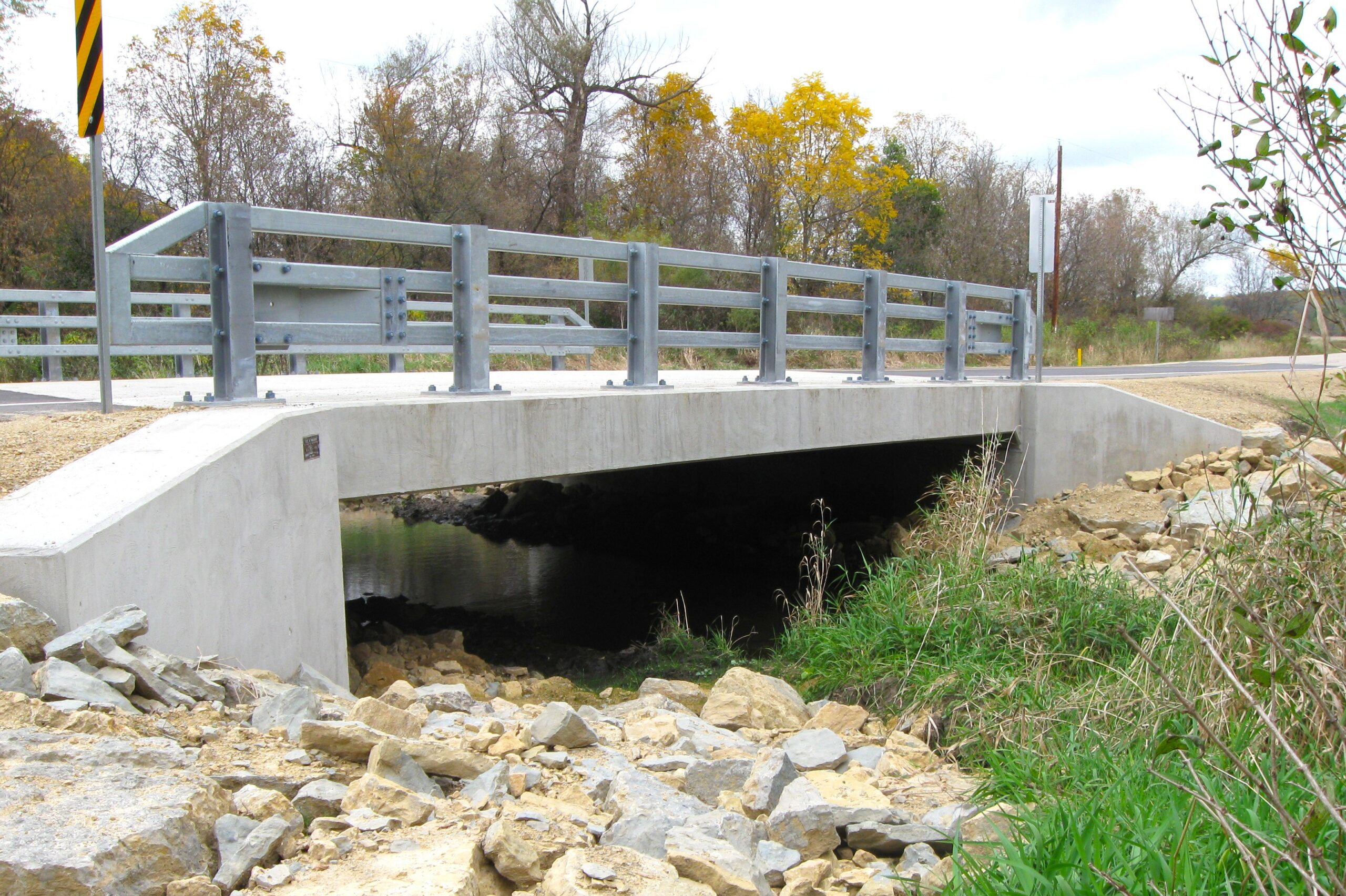
LSSIP helps municipalities repair or replace 6–20-foot bridges and culverts that scored 0–4 in the statewide evaluation. Communities can apply for an unlimited number of 0–2-rated structures, while 3–4-rated structures are capped at two applications.
Funding is prioritized by score — all 0–2s get funded first. If the state works into the 3s, they’ll prioritize counties that don’t have any 0–2 structures. In practice, it’s unlikely that 3‑rated structures in counties with lower‑rated ones will get funded, and it is extremely unlikely that any 4‑rated structures will be funded at all.
There’s $30M available this cycle. The program is expected to continue, and it draws from the same pool of money originally allocated to ARIP — so like ARIP, its long‑term continuation is tied to the state’s biennial budget.
The application is extremely simple: basic structure details, access and restriction information, and cost estimates. No narrative required. Applications are due May 1.
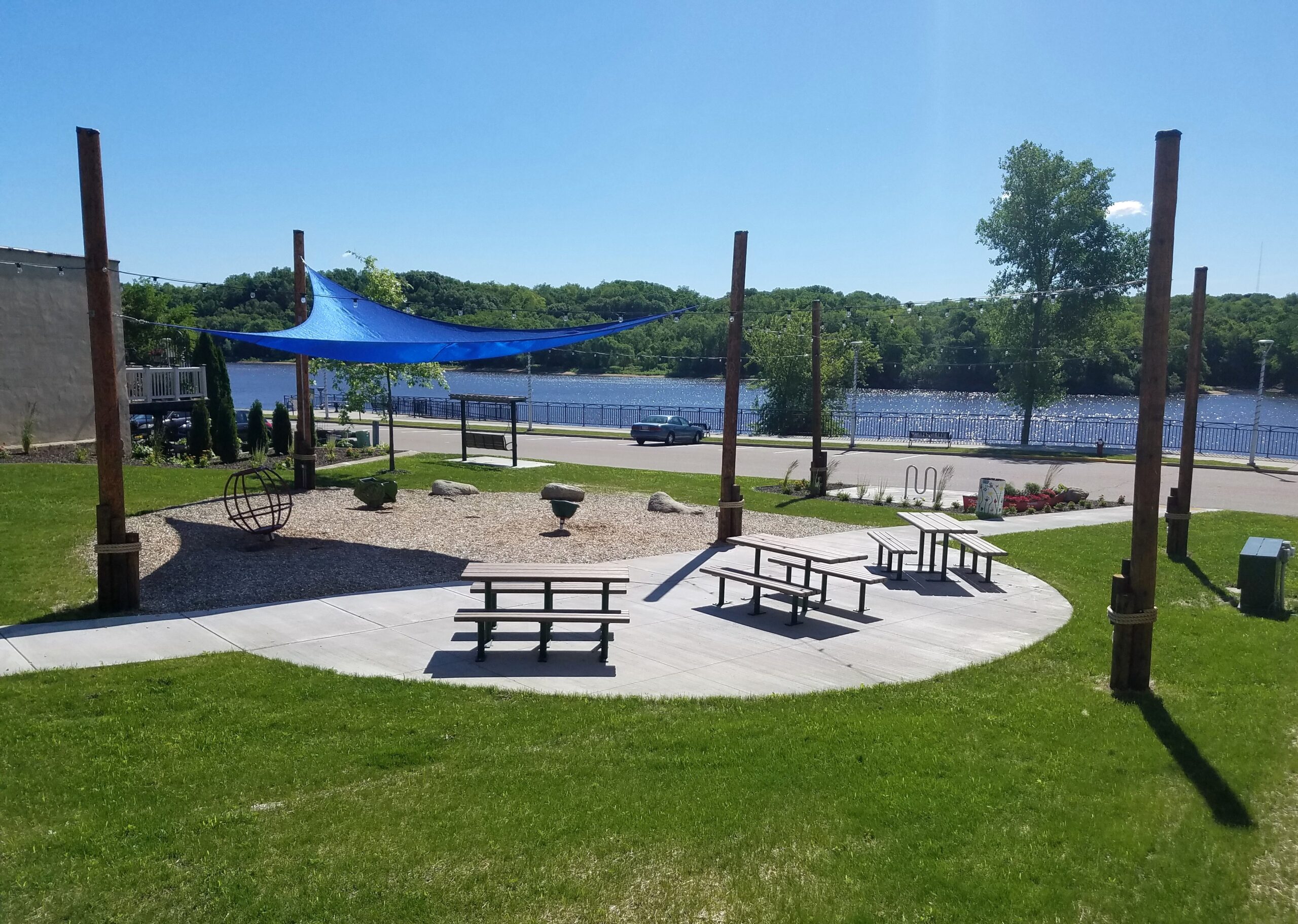
Vibrant Spaces is the Wisconsin Economic Development Corporation’s (WEDC) placemaking grant designed to help communities create or upgrade public gathering areas — plazas, small parks, streetscape nodes, flexible outdoor spaces, and other places that draw people in and support nearby businesses.
Grant amounts range from $25,000–$50,000, with a 1:1 match required in most cases. Economically distressed communities and those with populations under 5,000 can qualify for a 25% match. Each municipality can submit one application per fiscal year.
Projects that tend to compete best usually combine multiple improvements, show clear community support, and are ready to begin construction within the current fiscal year.
The program has historically operated with a formal application window and was quite competitive. Today, applications are accepted on a rolling basis, which appears to have reduced awareness. Applications have dropped enough that there’s some chatter about whether the program might wind down — but for now, it’s still active and accepting projects.
Wisconsin communities can tap into several substantial funding programs aimed at strengthening local infrastructure and enhancing public spaces. ARIP, LSSIP, and Vibrant Spaces grants provide support for rebuilding agricultural routes, repairing small bridges and culverts, and creating or improving community gathering areas. With generous cost‑share options, clear eligibility requirements, and significant funding pools available now and in (hopefully) upcoming cycles, municipalities have strong opportunities to identify priority projects and secure financial support for high‑impact improvements.
Author

Diane Rowe, MPA, AICP, ICMA-CM
Senior Community Development Administrator