
Marinas are complex systems — part utility network, part harbor, part community gathering place.
They house electrical systems exposed to corrosive environments, fuel infrastructure positioned over open water, floating structures subjected to continual stress cycles, and shorelines challenged by increasingly volatile weather. As these pressures mount, annual marina inspections have become one of the most effective tools for strengthening operational reliability, protecting infrastructure, and ensuring a smooth, successful boating season.
Today, insurers, state agencies, and national codes increasingly expect marinas to demonstrate a formal inspection program. But beyond meeting external requirements, annual inspections help operators avoid any “surprises” and provide a powerful snapshot of how their infrastructure is performing — and how prepared they are for the season ahead.
Changing Expectations Around Marina Infrastructure

Many marina owners can recall a time when inspection routines were informal and maintenance was reactive — a repair here, a replacement there, often prompted by a storm, a customer complaint, or an equipment failure. Those days are gone, and a more proactive approach is required. Insurers now increasingly recognize the value of documentation. Regulators want evidence of safety and code compliance. Engineers want to help facilities understand where their vulnerabilities lie before those vulnerabilities turn into incidents.
And the environment itself is changing. Docks that held steady for decades now experience stress from record‑setting storms, rapid shifts in water levels, and ice events that behave differently than seasons prior. Even routine wear progresses faster when infrastructure ages into its third or fourth decade of service.
An annual inspection becomes the moment when everything pauses long enough for a qualified professional to take stock: What is functioning well? What needs attention? What is quietly deteriorating below the surface? These questions apply to marinas of all shapes and sizes as well as harbor facilities, municipal transient docks, and even private homeowner docks.
Electrical Systems: The Most Complex and Most Critical
If there is one system that consistently demands attention from both marina operators and users, it’s the electrical network. Field engineers often describe marina electrical systems as a “moving utility plant” because the infrastructure must be a resilient source of power in an ever-changing cast of vessels while withstanding moisture, corrosion, and a harsh outdoor environment.
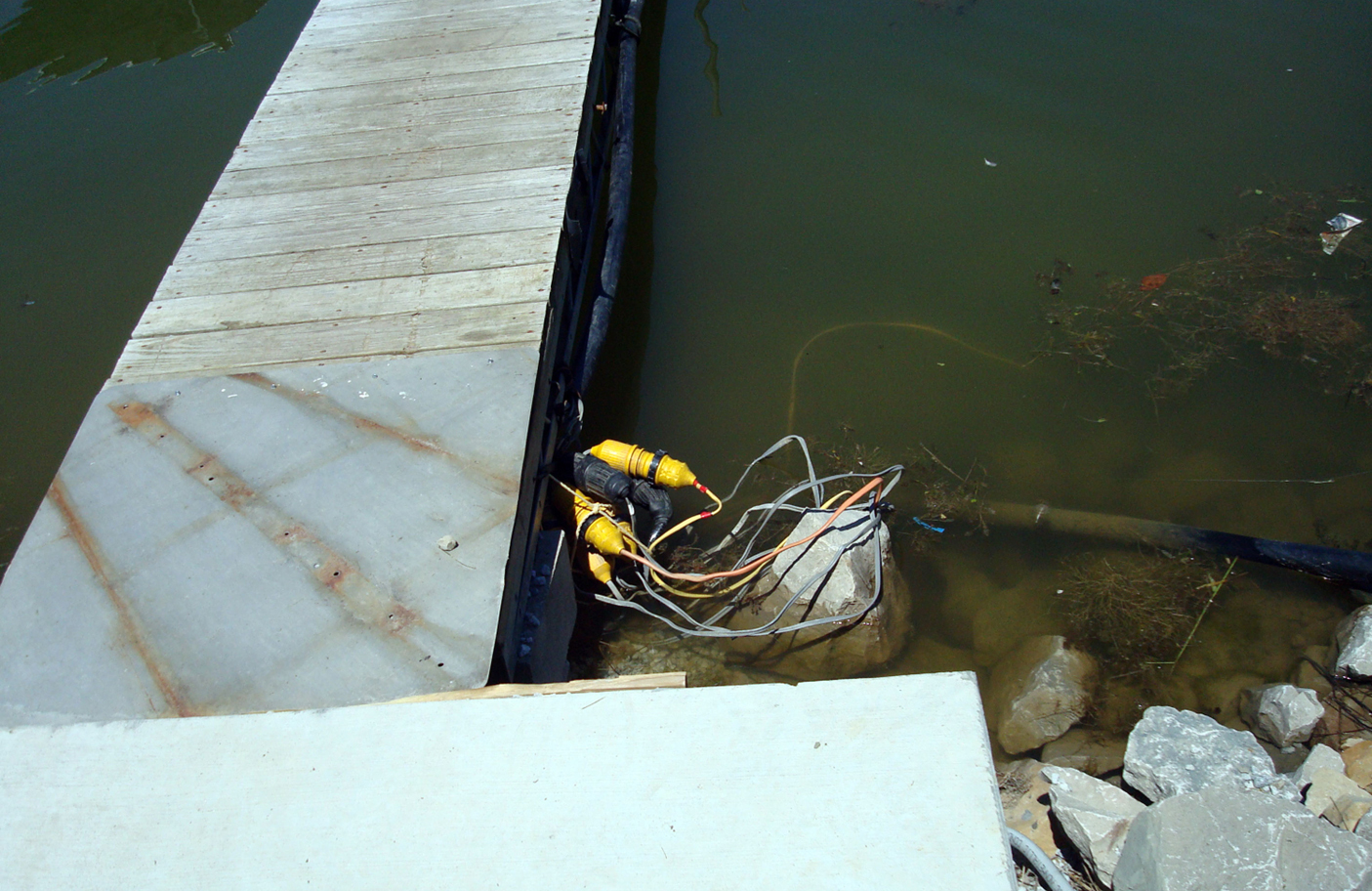
During an inspection, the focus is not merely on whether the lights work or the pedestals energize. The focus is on signs of stress: insulation deteriorating, nuisance tripping, pedestals leaning slightly after years of ice heave or vessel impact. Voltage drop issues. Bonding systems that no longer meet code. These aren’t dramatic failures, but precursors — hints that the electrical system is fighting a losing battle against time. Properly inspecting and maintaining marina electrical systems helps prevent fires and mitigates shock hazards — two of the greatest risks within any waterfront facility.
Target areas for an electrical system inspection include:
- Power distribution protection and coordination
- Conductor condition and insulation integrity
- Pedestal structural condition
- Voltage drop assessments
- Bonding and grounding systems
- Condition of feeder circuits
- Panelboards: corrosion, labeling, and code compliance
- Shore power receptacles and cords
- Non-shore power convenience power
- Conduit condition
- Emergency disconnect accessibility
The stakes for electrical safety grow higher each year, and so do the expectations. A major milestone arrived January 1, 2026, when provisions first introduced in the 2023 National Electrical Code (NEC) Article 555 became enforceable.
Among the most notable is Mandatory Shore Power Compatibility testing (Section 555.36). For the first time, marinas must implement a clear, consistent process for verifying vessel conditions before they connect to shore power. The intent is to mitigate electrical current leakage, reduce issues on the docks, minimize service interruptions, and optimize user safety. Boats that fail these tests may be denied shore power access or face financial penalties. Inspection programs will need to adapt, documentation will become essential, and operators will have to think differently about how boats interact with their electrical infrastructure.
The NEC provisions effective in 2026 also introduce a higher level of safety and protection, with updated requirements for electrical system design and engineering, particularly in states currently adhering to NEC code 2023 or later. As of January 1, marinas in those states must comply with the 2023 code standards for all new construction or renovation projects. The new standards set a higher bar for safety and security — as they should. But they will likely also come with a higher price tag. States that are still conforming to NEC versions prior to 2023 will likely not be impacted at this time.
Dock Structures, Piles, and Floating Systems
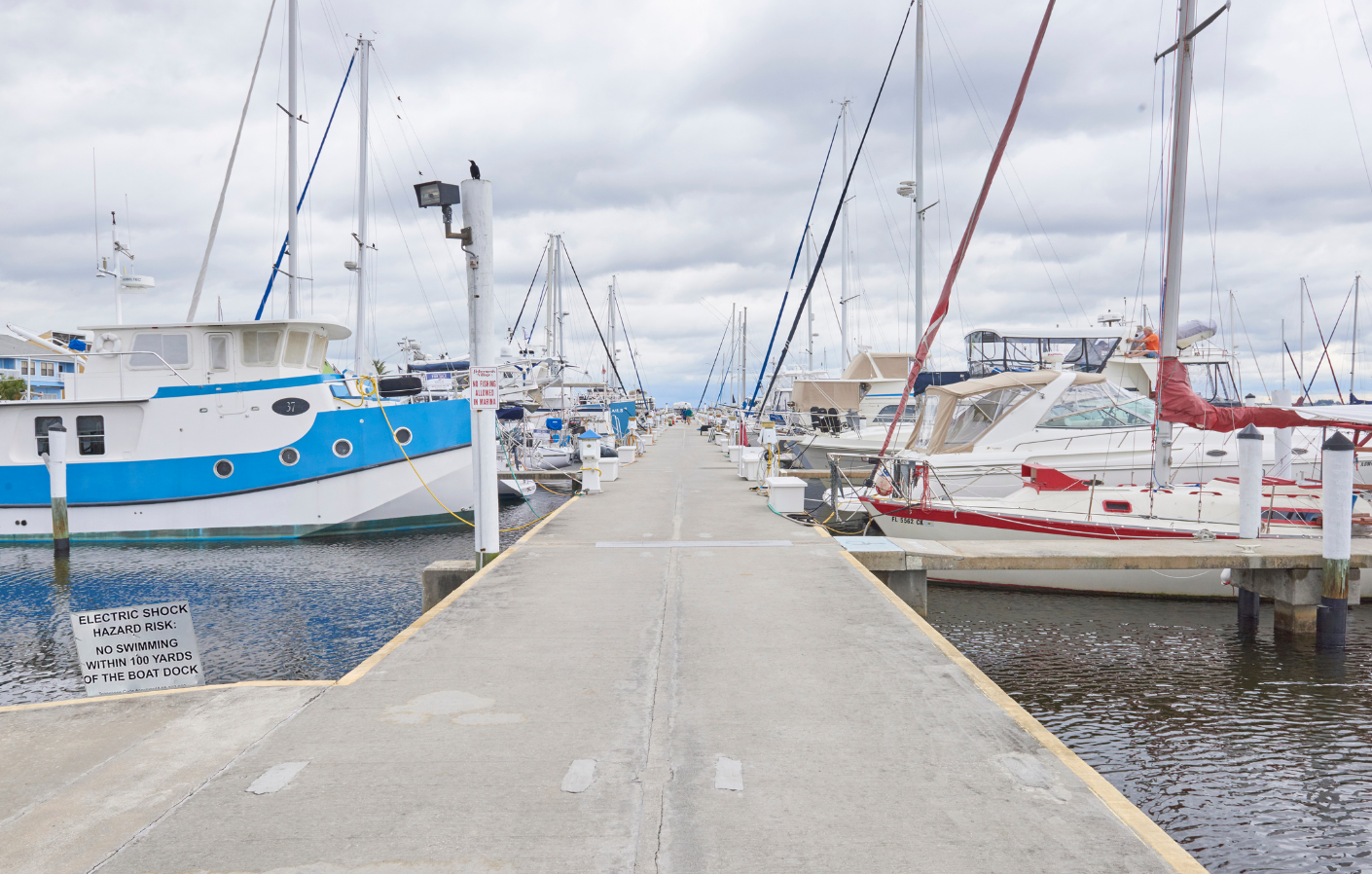
Dock systems work hard year ‘round and are deceptively resilient — right up until they’re not. Inspections help ensure they remain stable, aligned, and ready for the demands of the upcoming season. Engineers routinely encounter docks that look stable from above yet reveal fatigue, misalignment, displaced floats, or corroded fasteners upon closer inspection. In northern climates, a single severe ice season can shift piles or loosen hinge connections without leaving obvious evidence. On floating docks, buoyancy changes can alter gangway slopes in ways that compromise ADA compliance or create unexpected loading patterns.
Annual inspections create the opportunity to walk every pier and finger, test connections, measure freeboard, and evaluate piles for subtle movement. Operators often comment that it’s the small findings — the loose hardware, the early-stage spalling, the atypical float settlement — that end up being the most valuable. Inspections provide time to act before problems spread or failures occur at the peak of the boating season.
Fuel Systems: The High-Stakes Heart of Marina Safety
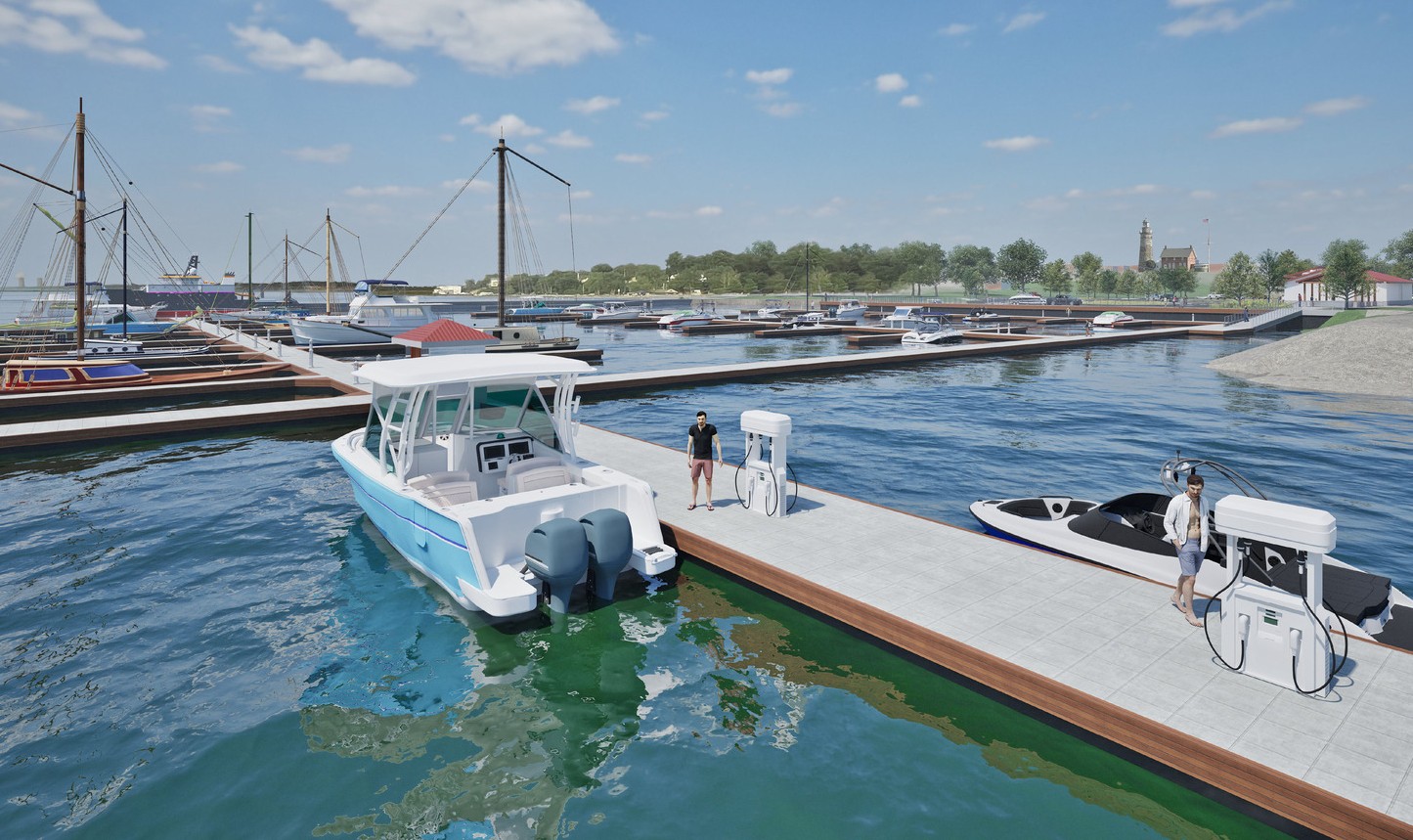
Few systems carry more inherent risk than a fuel dock. Inspections often uncover issues that would otherwise remain invisible until they become serious: aging valves, compromised containment, faded instructional signage, or emergency shutoffs that are technically functional but stiff from lack of use.
Because fuel docks sit at the intersection of fire protection, environmental compliance, and public safety, inspectors should assess everything: piping integrity, nozzle condition, bonding continuity, extinguisher accessibility, spill kits, ventilation, and firefighter access routes. The outcome of this review assures compliance with NFPA codes and standards, not only making the marina safer, but reassuring insurers, fire marshals, and local authorities that the risks are being actively managed.
Fire Protection and Emergency Preparedness
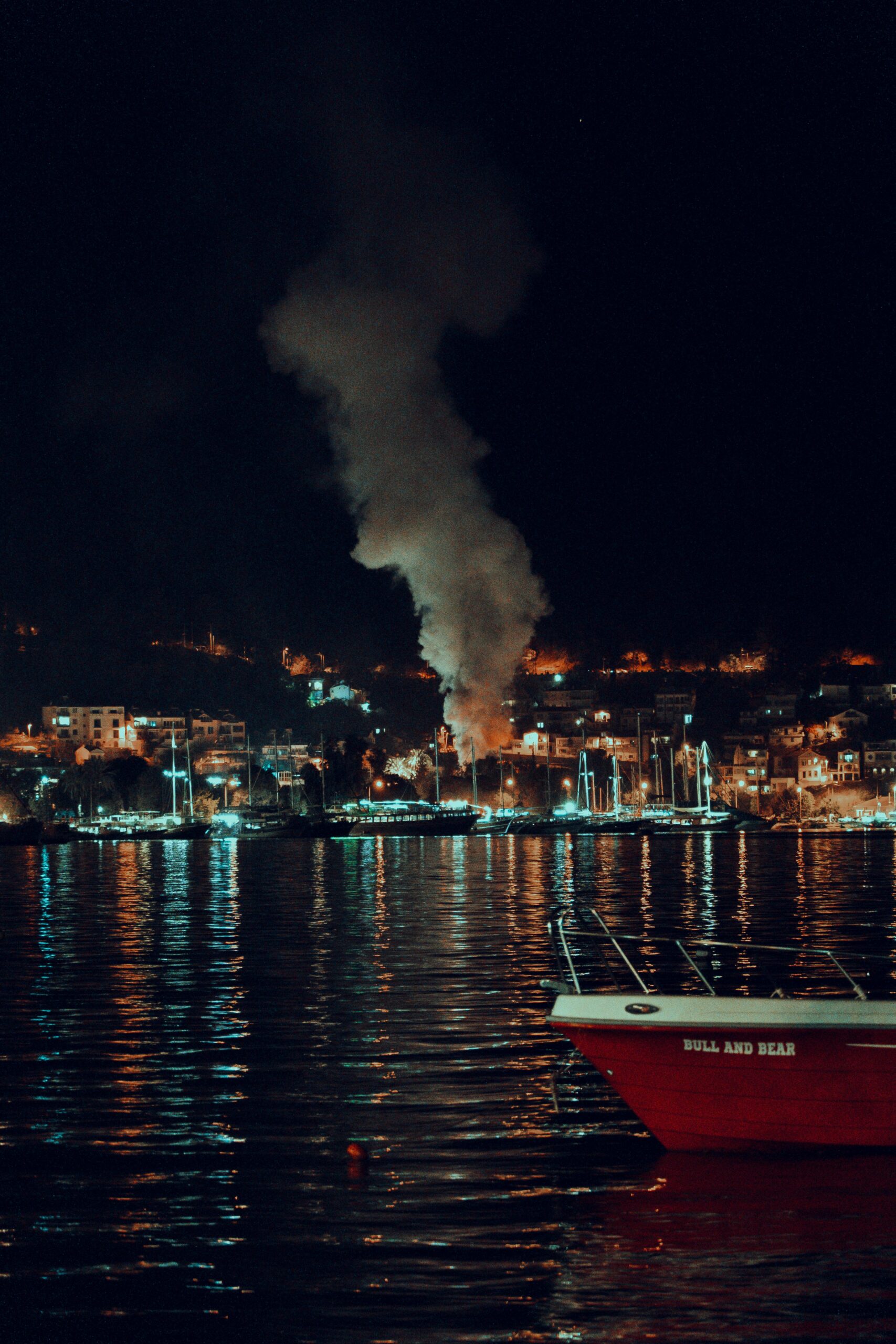
Success in an emergency isn’t determined on the day the emergency occurs; it’s determined by the systems and processes in place long before then. Inspections focus not just on the presence of fire protection equipment but its practicality: Is it visible? Is it accessible? Is it clearly labeled? Has it been maintained?
The same is true for emergency ladders, life rings, evacuation routes, and EMS access. When seconds matter, clarity and functionality become everything. These inspections often involve collaboration with fire departments or municipal officials, helping align the marina’s procedures with community response systems.
A thorough annual review of marina fire and emergency systems should include:
- Fire hydrant locations, flow, and accessibility
- Fire extinguisher location, expiration date, and access
- Standpipe or dry hydrant installation condition
- Emergency ladders on docks
- Life rings and rescue equipment
- Clear access for EMS and fire apparatus
- Evacuation routes and signage
Security, Shorelines, and the Edges of Marina Resilience
A marina’s vulnerability does not exist solely in the center of the harbor. Perimeter fencing, gates, lighting, camera coverage, and waterside access points all play a role in preventing theft, vandalism, and liability claims. Annual inspections frequently identify gaps in coverage or worn‑out components long before these conditions create disruptions or impact the guest experience.
Similarly, shoreline stabilization and breakwaters often undergo slow, quiet changes that can go unnoticed from season to season. Scour deepens. Riprap shifts. Overtopping becomes more frequent. Sediment patterns change. These conditions influence everything from dock alignment to wave climate — and once they accelerate, they can be expensive to correct. Early detection is decidedly more cost‑effective.
The Human Factor: Training, Procedures, and Operational Discipline
Even the best infrastructure can be undermined by inconsistent practices. That’s why annual inspections increasingly incorporate an operational review: staff training, fueling procedures, environmental compliance practices, incident reporting, and communication with boaters.
Even with strong infrastructure, well‑trained staff and clear procedures elevate day‑to‑day safety and ensure consistency throughout the season. Annual facility reviews reinforce expectations and keep day‑to‑day operations aligned with best practices.
The Deliverable That Becomes a Roadmap
At the end of the inspection, marina owners receive something that has become indispensable: a clear, actionable report that documents conditions, deficiencies, code issues, recommended repairs, and suggested timelines. Beyond guiding maintenance, this report becomes supporting evidence for insurance carriers, municipal partners, grant applications, and capital planning.
More than anything, it becomes a story — the story of the marina’s current condition, its risks, its strengths, and its path forward.
A Culture of Prevention, Not Reaction
Marinas operate at the intersection of nature, engineering, and public engagement. They are inherently dynamic, and their systems degrade in ways that can be subtle but consequential. Annual inspections transform uncertainty into clarity. They help operators stay ahead of regulatory changes, anticipate problems before they become emergencies, and maintain the resilience necessary for modern waterfront facilities.
Inspections also provide value in boosting a marina’s reputation. Members and guests feel confident when their marina is well-maintained and may willingly pay slightly higher slip fees knowing their vessel is safe and secure. Marina owners can enjoy greater peace of mind as well, not to mention potentially reduced insurance premiums as a result.
Annual inspections are, quite simply, the marina’s first line of defense — and one of the most important investments any owner can make.
This article was first published in the April 2026 issue of Marina Dock Age Magazine.
Authors