
Farmers today are balancing more than crops, livestock, and weather.
They are navigating a rapidly shifting landscape of regulations, funding opportunities, and market pressures that grow more complex each season. In this environment, the role of a Technical Service Provider (TSP) has evolved from a helpful resource into a critical partner in long-term farm success.
Certified through the USDA Natural Resources Conservation Service (NRCS), TSPs bring specialized expertise in conservation planning, design, and implementation. But their real value lies not just in technical knowledge — it’s in their ability to translate complexity into action. Programs like the Environmental Quality Incentives Program (EQIP) and Conservation Stewardship Program (CSP) offer significant opportunities for farmers and producers. Yet each comes with its own application requirements, documentation standards, and payment structures. Navigating that alone can be overwhelming; navigating it strategically can make all the difference.

This is where TSPs step in.
Turning Complexity into Action
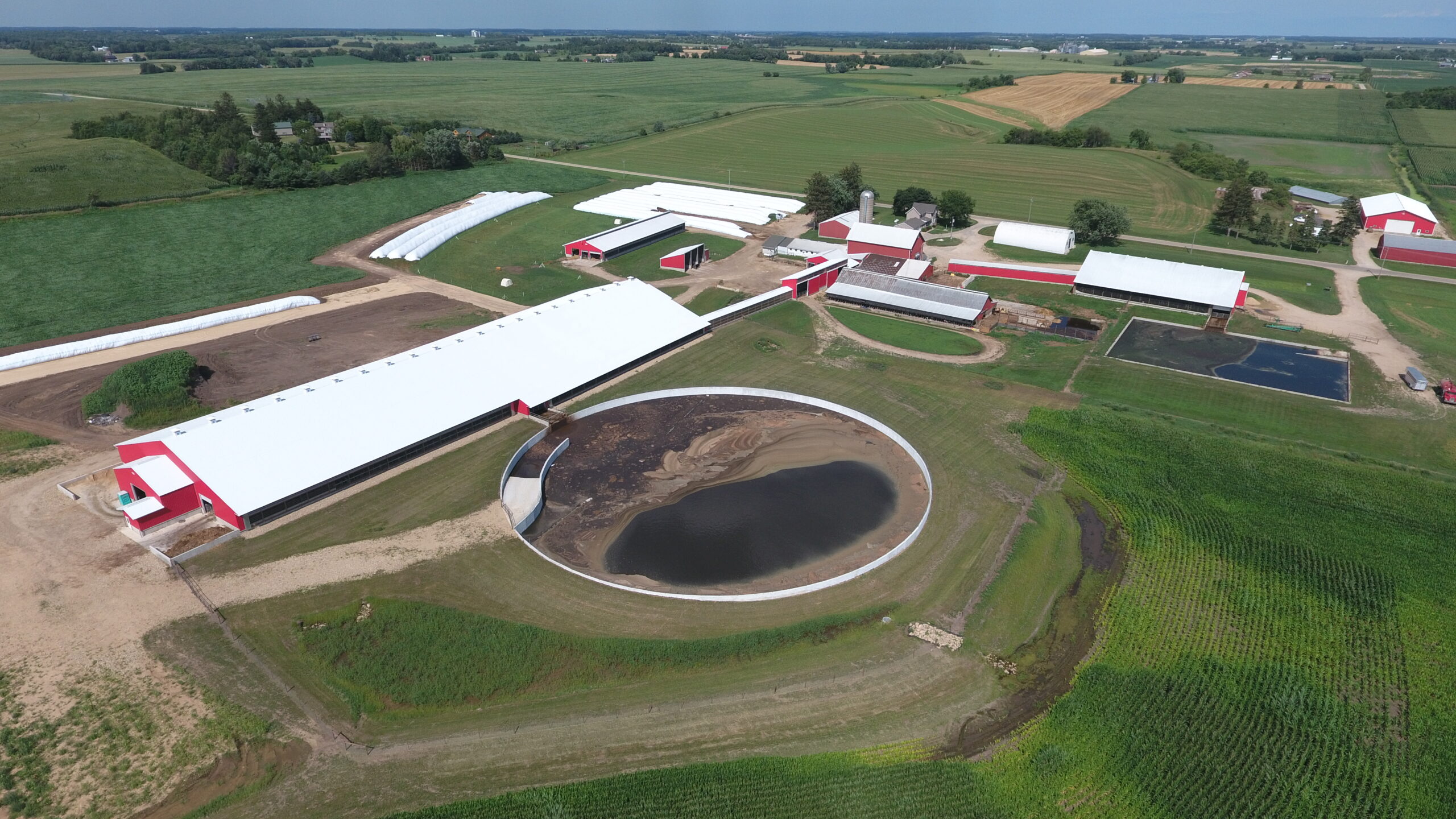
Rather than handing producers a one-size-fits-all plan, TSPs work from the ground up — understanding each operation’s unique goals, constraints, and realities. No two farms operate the same way, and conservation practices must align with existing labor, equipment, and timelines to be successful. Whether it’s nutrient management, irrigation improvements, or manure storage systems, TSPs ensure that solutions are practical, compliant, and designed to enhance, not disrupt, day-to-day operations.
At the same time, TSPs help farmers make sense of the fine print. Funding programs don’t just differ in eligibility — they differ in how projects are designed, measured, and reimbursed. A pipeline installation, for example, may be funded by the linear foot, while manure storage projects may be calculated by volume or surface area. These nuances matter. TSPs ensure that designs align with program expectations from the outset, preventing costly delays or misunderstandings.
Bridging the Gap Between Farms and Agencies
Equally important is the role TSPs play as a connector between farms and agencies. With NRCS offices often managing high demand with limited staff, TSPs help keep projects moving by coordinating design, managing documentation, and navigating approvals. They act as both translator and advocate, aligning producer goals with regulatory requirements while easing the administrative burden that can otherwise slow progress.
Competing and Winning in a Crowded Funding Landscape
Speed and preparation matter today more than ever. Many funding opportunities are tied to specific deadlines and performance timelines, particularly as federal and state investments in water quality and climate resilience expand. Farmers who are prepared with well-developed, technically sound plans are far more competitive when funding decisions are made. TSPs help farmers position themselves for success by identifying the best-fit programs, strengthening applications with detailed documentation, and even bundling projects to maximize cost-share potential. The stakes are high, yet so is the opportunity. With more funding available than in previous decades, the challenge has shifted from access to competitiveness. A well-prepared conservation plan isn’t just a requirement; it’s a strategic advantage.
From Planning to Progress: Accelerating Implementation
Farmers who engage a TSP early can proactively address potential design issues, ensure compliance from the start, and move more quickly from concept to construction. This acceleration is increasingly important as regulatory expectations and economic pressures intensify. TSPs don’t just help producers check boxes — they help them reduce risk, improve efficiency, and build resilience into their operations. In many cases, they also uncover opportunities farmers may not have known existed.

A Strategic Partner for EQIP Funding
For farmers considering upcoming EQIP funding cycles, the application window is fast approaching. While the deadline varies from state to state, Wisconsin applications are anticipated to be due in mid-September. Farmers and producers interested in applying should begin discussions with their local NRCS offices as soon as possible to secure funding for 2027 projects. Applications require coordination, planning, and technical details long before submission deadlines arrive. Engaging a TSP early ensures that when those opportunities arise, the groundwork is already in place.
MSA’s TSP Expertise
MSA’s Agricultural Services team currently has Technical Service Providers licensed and ready to assist farmers in the state of Wisconsin, with Minnesota soon to follow.
Senior Agricultural Engineering Project Manager Naomi Bernstein, PE, CCA, TSP, is certified to sign off on Comprehensive Nutrient Management Plans (CNMP) due to having both Technical Service Provider and Certified Crop Adviser (CCA) credentials. Naomi and the MSA Ag Team are prepared to assist with waste storage, transfer, and other best management practices which can be funded through NRCS.
In today’s agricultural landscape, having a trusted go-to partner right in your home state can mean the difference between keeping up — and moving ahead.
Ready to get the conversation started? Contact Naomi at nbernstein@msa-ps.com.
Author