For many communities across Minnesota and the Upper Midwest, infiltration and inflow (I/I) remains a persistent and costly challenge.
Aging infrastructure, shallow bedrock, high groundwater levels, and older service connections combine to place continued stress on sanitary sewer systems. While many cities have invested heavily in mainline cured‑in‑place pipe (CIPP) lining, the City of Newport, Minnesota, found that meaningful I/I reduction required a more comprehensive approach — one that extends beyond the mainline and into private service laterals.
Background: Understanding the True Sources of I/I
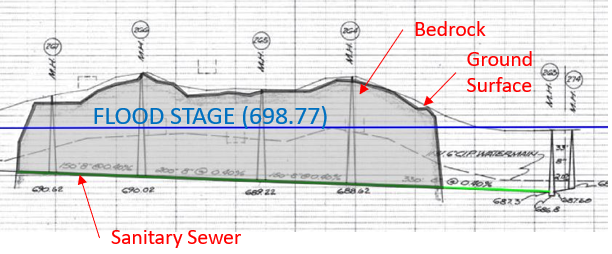
Newport’s sanitary sewer system lies in a particularly challenging environment. Portions of the city are near flood stage elevations, with shallow bedrock and aging sanitary infrastructure. Despite decades of targeted rehabilitation efforts including smoke testing, sump pump inspections, mainline lining, and public/private sewer replacements, flow monitoring and lift station pumping data indicated that excessive wet weather flows persisted.
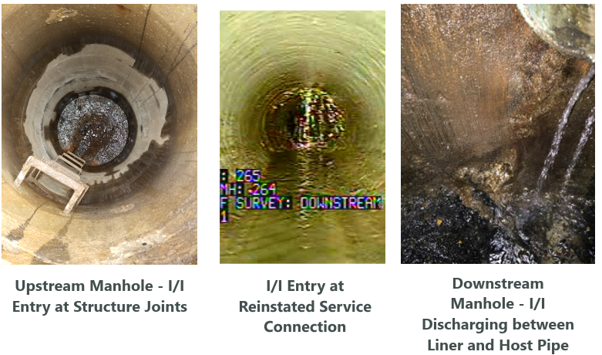
Investigations revealed what many utilities are discovering: service laterals and their connections to the main were significant contributors to I/I. Even well‑installed mainline CIPP liners can allow groundwater infiltration at lateral connections due to resin shrinkage, imperfect bonding, and the unavoidable annular space between the liner and host pipe.
Project Planning: Moving Beyond Traditional Approaches
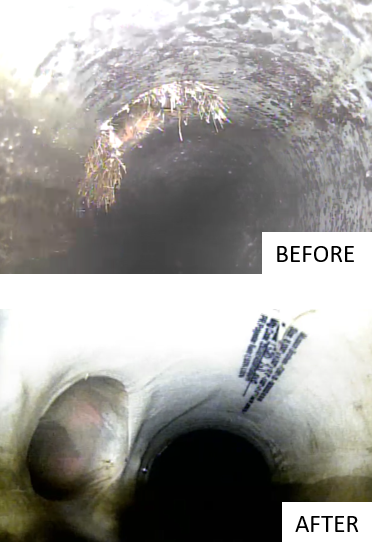
Recognizing these limitations, Newport evaluated newer lateral lining technologies that address I/I at its source. Planning focused on a combination of one‑piece lateral liners, full‑wrap connection seals, hydrophilic end seals, and spot repairs. Standards such as ASTM F2561 guided the specification of materials and installation methods, emphasizing watertight connections between the main and lateral.
Public outreach was also central to project success. The City launched an interactive project website, shared CCTV videos with property owners, and conducted frequent coordination meetings throughout construction. This transparency helped build understanding and trust, particularly when work extended onto private property.
Construction Scope and Adjustments
The original project scope anticipated lining 146 laterals, installing 135 end seals, and completing extensive additional lining and cleanout installations. As construction progressed, field conditions required flexibility. Protruding pipe connections, transitions, bends, excessive infiltration, and shallow bedrock prevented installation at some locations.
Ultimately, the final scope included 97 lateral liners, 60 end seals, 31 spot repairs, and 624 feet of additional lining. While fewer laterals were lined than initially planned, the project team adjusted efficiently, prioritizing locations that offered the greatest I/I reduction benefit.
What Worked Well
Several factors contributed to the project’s success:
- Strong communication: Regular meetings between the City, engineer, and contractor helped mitigate surprises and maintain momentum.
- Property owner engagement: Field crews and project representatives worked directly with homeowners, minimizing disruptions and addressing concerns.
- Multiple crews: Once mobilized, parallel work streams allowed rapid progress.
- Low community impact: Most installations were completed with minimal excavation, preserving landscaping and reducing restoration costs.
- Measurable I/I reduction: Post‑construction data confirmed significant flow reductions.
Quantifying the Results
The benefits of lateral lining were most evident at the 17th Street Lift Station. After the project, pumping duration dropped by nearly 69%, and annual flow volume was reduced by more than 900,000 gallons. This translated to an estimated annual cost savings of approximately $38,000 in regional wastewater treatment charges. With a total improvement cost of roughly $245,000, the project achieved a projected payoff period of just 6.5 years.
Lessons Learned for Other Communities
Newport’s experience offers several takeaways for public works professionals:
- Mainline lining alone is rarely enough. Service laterals can be a dominant source of I/I.
- Field conditions matter. Bedrock, transitions, and interior plumbing configurations can limit lateral lining feasibility.
- Public communication is essential. Clear, proactive engagement reduces resistance and improves outcomes.
- Measure success with data. Flow monitoring and lift station metrics validate investments and help justify future projects.
Looking Ahead
As wastewater utilities face increasing regulatory and financial pressures, Newport’s lateral lining initiative demonstrates that targeted investments beyond the mainline can deliver meaningful, cost‑effective results. By addressing I/I where it originates, communities can protect infrastructure, control costs, and extend the life of their sanitary sewer systems.
Author